
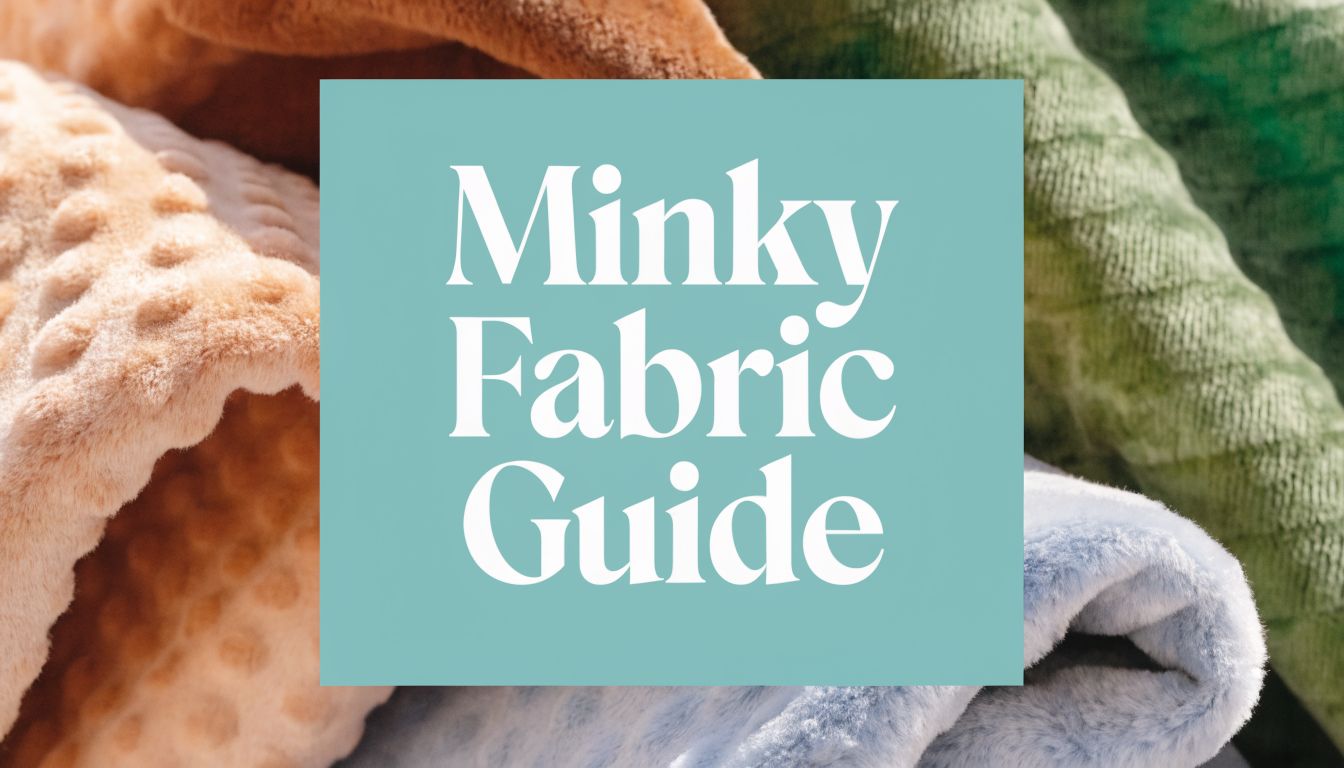
Textured minky fabric is a plush, 100% polyester material with embossed patterns like dimples or luxe piles, making it the top choice for baby blankets due to its exceptional softness, durability, and sensory appeal for infants. If you're trying to make a baby blanket that still feels beautiful after constant snuggling and washing, textured minky is usually the fabric that solves the problem.
When considering minky, common questions arise. Which texture feels right for a newborn? Is it better than fleece? Will it stretch all over the place while sewing? And if you're making a larger quilt with a minky back, how do you keep it from turning bulky and awkward?
We work with these questions every day in the shop and at the longarm. Textured minky fabric for baby blankets can be simple to choose and satisfying to sew when you know what matters: pile, texture, width, and handling.
For readers shopping while they learn, the short version is this: start with a premium Shannon texture, match the texture to the use, and if your quilt deserves a polished finish, consider a mail-in longarm quilting service that works well with minky-backed projects.
URL slug: /blog/textured-minky-fabric-baby-blankets
Meta description: Textured minky fabric for baby blankets offers soft, durable comfort. Shop premium Shannon Cuddle at OPN with 15% off first orders.
Your Guide to the Ultimate Soft Baby Blanket
A good baby blanket has a hard job. It gets washed on short notice, hauled to the car seat, bunched under a sleeping baby, and pulled through daily use that quickly exposes weak fabric choices.
In the shop, we see the difference right away. The right minky still looks inviting after regular washing and handling. The wrong plush can lose body, mat down, or stop feeling special after a short stretch of use.
Why textured minky works so well
Textured minky earns its place because it solves more than one problem at once. It gives baby blankets the soft hand people want, but it also adds visual interest and a more finished surface through dimples, dots, ridges, or a sculpted pile.
For quilters and gift makers, that texture matters in practical ways. A flatter texture can keep the blanket calm and classic for nursery use. A dimple or embossed surface adds touchable detail that many parents like for everyday cuddling. If you want a quick primer on fiber content, pile, and common uses, our guide to what Cuddle and minky fabric is lays out the basics clearly.
We usually tell customers to choose the texture based on how the blanket will be used, not just what looks cute on the bolt.
What people usually get wrong
The biggest mistake is treating all plush fabrics like they perform the same.
A stroller blanket, a nursery throw, a quilt back, and a toddler nap blanket each ask something different from the fabric. Some need fluid drape. Some need enough loft to feel cozy without getting heavy. Some need a texture that still reads clearly after repeated trips through the wash.
That is where shop experience helps. At OPN, we work with quilters who are making a simple baby gift and with customers planning a full quilt top that needs professional finishing on the longarm. The best results usually come from matching texture, width, and project type at the start, especially if you want a smooth backing, less bulk in the quilt sandwich, or a beginner-friendly path with coordinated materials.
A blanket can be soft on day one and still be disappointing to sew or finish. Choosing with the finished project in mind avoids that problem.
What Makes Textured Minky Different from Fleece
Fleece and minky get lumped together because both are soft, warm, and synthetic. In practice, they don’t behave the same on the table, under the needle, or after repeated washing.
Textured minky is built around a plush microfiber pile. Premium versions, including Luxe Cuddle styles, use precision embossing and high-pile microfiber polyester to improve durability. In one cited comparison, minky retained 95%+ of initial softness after 100 wash cycles, while ordinary flannel or polar fleece was described as pilling after 20-30 washes in this minky durability breakdown.

How does the hand feel compare
Fleece usually feels more utilitarian. It can be soft, but it rarely has the same plush depth or sculpted surface as textured minky.
Textured minky feels more finished right off the bolt. The raised patterns, shorter plush face, and denser microfiber pile give it a more heirloom-friendly look for baby gifts and nursery quilts.
Which one lasts better in a baby blanket
Minky often proves superior for people who care about longevity.
Baby blankets get washed often, and that exposes the weakness of lower-end plush fabrics fast. Fleece can still be a practical choice for quick utility blankets, but when someone wants the blanket people keep and remember, minky is usually the better call.
| Feature | Shannon Cuddle® Minky | Standard Polar Fleece |
|---|---|---|
| Surface feel | Plush, velvety, often textured | Soft, but less plush and less sculpted |
| Fiber content | 100% polyester microfiber | Often synthetic, sometimes blended |
| Softness retention | Cited at 95%+ after 100 wash cycles in premium minky | More likely to lose surface polish over time |
| Pilling tendency | Designed for strong pilling resistance | More prone to pilling with wear |
| Texture options | Dimple, hide, marble, owl-like plush, seal-like finish | Usually flatter surface options |
| Heirloom baby gifts | Strong choice | Better for casual utility use |
When fleece still makes sense
There are projects where fleece is perfectly fine.
- Fast charity sewing: It’s easy to source and familiar to many sewists.
- Budget-first projects: It can lower the material cost.
- Simple no-bind blankets: It’s approachable for very quick makes.
For quilters who want the feel and structure of dedicated cuddle fabric, a good next stop is this guide to what cuddle minky fabric is.
Premium minky costs more than bargain fleece, but it usually looks and feels like a deliberate gift rather than a quick substitute.
Which Luxe Cuddle Texture Is Best for Your Project
A parent opens the gift, rubs the blanket once, and you can tell right away whether you picked the right minky. Online photos rarely show that difference well. Texture choice is what decides whether a blanket feels polished, playful, weighty, or extra plush in the hand.
Textured Luxe Cuddle is built for that tactile finish. The base fabric is soft and stable enough for baby blankets, but each texture behaves a little differently once it is quilted, bound, or used as a wholecloth back. In our shop, we match texture to the job first, then color.

Luxe Cuddle Hide for a polished nursery look
Hide is one of the safest choices for quilt backs that need to look finished without stealing attention from the patchwork. The texture has enough movement to keep a solid from looking flat, but it does not read overly cute or themed.
We suggest Hide for neutral nurseries, modern cotton prints, and gift quilts where the front already has several fabrics competing for attention. It also tends to photograph cleanly, which matters if you sell finished blankets or take custom orders.
Snowy Owl for maximum sink-in softness
Snowy Owl has a fuller, more dramatic surface. It gives that immediate plush reaction people expect from a special baby blanket.
It works well for:
- Baby shower gifts
- Nap blankets
- Cold-weather nursery throws
- Quilt backs where softness matters more than a crisp outline
There is a trade-off. The loftier the texture, the less structured the final blanket will feel. For some projects, that is exactly right.
Fawn for soft movement and a quiet luxury look
Fawn sits in a very useful middle ground. It has visible texture, but the pattern stays gentle enough to work behind a busy quilt top. That makes it one of the easiest options to recommend when someone wants the back to feel special without overpowering the front.
If you want to see the kind of surface quilters often choose for that balance, our notes on Luxe Cuddle Fawn minky fabric show why this texture keeps showing up in baby quilts and gift sewing.
Marble and Seal for a stronger texture statement
Marble gives more visual variation across the pile. Seal feels sleeker and more velvety. Both are good choices for blankets that need to read a little more tailored and a little less traditional baby blanket.
In the shop, we often point people toward these textures for keepsake gifts and toddler blankets. They age well with the project. A blanket that starts in the nursery can still look appropriate on a couch a few years later.
Dimple for classic baby-blanket appeal
Dimple stays popular because it is familiar and easy to pair with almost anything. Parents recognize it right away, and beginner sewists usually feel more confident choosing it because the look is so established.
It is also forgiving from a design standpoint. If the cotton top is sweet, playful, or print-heavy, Dimple usually makes sense.
Shop-floor rule: Busy quilt top, quieter texture. Simple quilt top, more expressive texture.
If you are choosing for a specific project, start with the look you want after quilting, not just the swatch photo. That one decision saves a lot of second-guessing once the blanket is cut.
How Do You Sew Minky Fabric Without Stretching
You square up a sweet baby quilt top, add minky to the back, and halfway through the first seam the layers start creeping apart. One edge ripples, the corners drift, and the backing somehow finishes longer than when you started. That usually comes down to handling, not bad fabric.
Minky has stretch because of its knit base, and the pile adds drag under the presser foot. Treat it like quilting cotton and it will slide, wave, or grow on you. In the shop, we fix that problem before the first stitch with a few machine changes and a slower sewing pace.

What tools help the most
The right setup does more than careful sewing.
- Use a 90/14 stretch needle. It helps reduce skipped stitches on knit-backed plush.
- Sew with a walking foot. That extra top feed keeps the cotton and minky moving together instead of letting the backing creep.
- Choose polyester thread. It has a bit of give and holds up better with a fabric that shifts under tension.
- Use more clips or pins than you think you need. We usually secure minky at much shorter intervals than we would with cotton.
- Test a slightly longer stitch length. Many home machines feed minky more cleanly that way.
If your machine still fights the fabric, lower presser foot pressure if that adjustment is available. Too much pressure can stretch the backing as it feeds.
What actually causes stretching
Hands are often the problem. Pulling from the front, lifting the bulk off the table, or letting part of the blanket hang off the machine all create uneven tension. The machine feeds one rate, your hands pull at another, and the minky responds by lengthening.
Support the full weight of the project. Keep the layers flat on the table. Guide the seam, but do not tug it through.
That one habit change solves a lot.
Nap direction matters too. If one piece runs up and another runs down, the blanket can look shaded or off even when the sewing is accurate. Before cutting, brush your hand across the fabric and choose one consistent direction for every piece.
A cutting routine that keeps minky under control
We cut minky with the wrong side up whenever possible because marking is easier and the fabric stays calmer on the table. A large cutting surface helps just as much. If half the yardage is hanging off the edge, gravity starts pulling before you even get to the machine.
Use this routine:
- Square one edge first so you are not measuring from a distorted cut.
- Check nap before every cut and keep all pieces running the same direction.
- Cut in a single layer if the fabric is especially slippery or heavily textured.
- Keep a lint roller nearby because trimmed pile gets everywhere fast.
For a simple project with these steps shown in context, our tutorial on how to make a minky baby blanket pairs well with this section.
A quick visual demo helps if you’re more of a watch-and-sew learner.
When home sewing stops being the easy option
Small blankets are usually manageable on a domestic machine. A larger quilt with batting, a wide minky back, and a deadline for a baby gift is a different job.
At OPN, we see this all the time. The quilt top is well pieced, the backing is beautiful, and the stress starts once the bulk has to pass through a narrow throat space. If the back needs to stay smooth and the project already feels heavy on your machine, it often makes more sense to stop before the fabric gets stretched out of shape.
What Size Minky Do I Need for a Baby Blanket
A lot of baby blanket projects stall at the cutting table, not the sewing machine. The question is usually simple. How much minky should I buy so I have enough for squaring, nap direction, and a finish that still looks polished after trimming?
The answer depends on the style of blanket you are making. A self-binding blanket needs more fabric than a simple two-layer blanket. A pieced quilt with a minky backing is a different calculation again, especially if you want the back to stay one piece.
Common blanket sizes and a practical buying guide
At OPN, we usually start with the finished use, not the tightest possible cut. Saving a few inches on paper often creates more hassle at the table. Minky shifts, the edges need squaring, and textured piles do not always behave like flat cotton.
| Project type | Common use | Buying approach |
|---|---|---|
| Lovey or mini blankie | Small comfort blanket | A smaller cut works if you are comfortable trimming carefully |
| Stroller blanket | Travel and car seat use | Leave room for squaring and keeping the nap consistent |
| Crib blanket | Everyday nursery use | A more generous cut makes finishing cleaner |
| Quilt backing | Pieced top with plush back | Choose width first, then confirm the length you need |
A practical shop rule helps here. If the project is a gift, buy for comfort, not for the absolute minimum. The extra trimming room usually saves more frustration than it costs.
Width matters more than many beginners expect
For a baby blanket, length gets the attention. Width is often the part that decides whether the project feels easy or fussy.
A wholecloth baby blanket can often come from a standard cut without much drama. A quilt backing is different. If the backing is too narrow, you are piecing a plush fabric that already wants to shift, and every added seam gives you one more place to manage bulk, nap, and alignment.
That is why we guide quilters toward the right cut size early in the process. The cleanest result usually starts with enough width to avoid forcing the fabric into a plan it does not suit.
How we help customers choose the right cut
In the shop, we keep the yardage conversation practical.
- 2-yard cuts work well for smaller baby blankets and simple cuddle-style projects.
- 2.5-yard cuts give you more breathing room for trimming, self-binding, or slightly larger blankets.
- 3-yard cuts make sense for bigger gift blankets, matching accessories, or projects where you want leftover fabric on hand.
If you are trying to picture how a larger finished blanket looks in real life, our guide to what a 50 x 60 blanket size looks like in use gives helpful visual context.
One more trade-off is worth keeping in mind. Buying too little minky can force compromises you will see every time the blanket is used. Buying a slightly more generous cut usually gives better edges, easier handling, and a finish that looks more professional.
For readers comparing options now, useful browsing points are 2.5-yard cuddle cuts and Shannon cuddle bundles.
How Do You Prepare a Quilt for Mail-In Longarm Services
A baby quilt can leave your sewing room looking square and soft, then arrive for quilting with stretched edges, a skewed backing, or a note that says the layers were pinned together. We see that more often with minky because the backing has weight, nap, and more give than a woven cotton back.
Good prep protects the finish. It also saves time once the quilt reaches the frame.
What to do before you pack the quilt
Start by treating the quilt top, backing, and batting as three separate parts. Longarm machines are loaded one layer at a time, so anything that forces those layers together too early creates extra work and can affect the final result.
A reliable prep routine looks like this:
- Square the quilt top as closely as you can. Longarming can improve the look of a quilt, but it will not correct borders that are already waving.
- Cut the backing larger than the top on all sides. The frame needs extra fabric to load and tension the quilt properly.
- Press the top well. Flat seams and smooth borders feed better and stitch out cleaner.
- Leave the layers unpinned and unbasted. Send the top, backing, and batting separately.
- Clip loose threads and check every seam. Dark thread tails and small seam openings are much easier to fix before quilting than after.
If you want a shop-tested checklist before sealing the box, follow these longarm quilting top 10 quilt prep tips.
What matters more with minky backing
Minky changes the prep math a bit. The backing is heavier, the pile can shift, and the nap direction may matter once the quilt is spread out on a bed or handed over as a gift.
We usually tell customers to avoid piecing the backing unless the project absolutely requires it. Fewer seams mean less bulk, less distortion, and a cleaner quilting path. If you do piece minky, keep the seam straight, use plenty of clips, and check that the nap is running the same direction across the full back.
It also helps to include a clear note if the nap direction is important to you. We can work around preferences much more easily when we know them before the quilt is loaded.
How to get a cleaner finished look
Pattern choice matters on plush backing. Deep texture can swallow dense quilting, so simpler designs often show better and let the softness stay front and center.
We also see better results when quilters give themselves enough backing from the start instead of trying to save fabric with a tight cut. A little extra room gives the longarm more to work with and reduces stress on the edges.
If your goal is a polished baby quilt without wrestling a bulky minky project on your domestic machine, mail-in longarming is often the practical answer. At OPN, that usually means helping customers avoid preventable prep mistakes before the quilt ever ships.
Are Minky Kits a Good Option for Beginners
For beginners, kits solve the part that usually causes the most friction. Not the sewing itself. The choosing.
Many new sewists can handle a straight seam and a simple finish just fine. What slows them down is trying to decide which minky texture pairs well, how much fabric to buy, and whether the project they picked is realistic for their current skill level.
When a kit makes more sense than yardage
A kit is usually the better choice if you want a giftable result without doing all the planning from scratch.
That’s especially true for people sewing:
- A first baby gift
- A fast holiday project
- A low-stress practice piece
- A handmade item for a niche sensory preference
For babies with sensory needs, texture selection matters. One cited example notes that curated kits using Shannon textures such as Luxe Cuddle Dimple with a 0.8mm pile height can be a sensory-safe option for gentler tactile input in this discussion of rich minky texture choices.
Which beginner projects tend to succeed
The projects with the highest chance of a happy finish are usually the ones with limited seams and a clear purpose.
- Infinity scarf kits are approachable and satisfying.
- Pillow kits with forms remove the guesswork of sizing and filling.
- Simple baby blanket kits keep the focus on handling minky well instead of managing a complicated pattern.
A kit won’t teach good sewing habits by itself, but it does remove a lot of avoidable decision fatigue.
If that sounds more appealing than buying yardage cold, kits and precuts, minky pillow kits, and DIY infinity scarf kits are sensible starting points.
Why Trust On Pins & Needles for Your Minky Fabric
A baby blanket project usually looks simple at the start. Then the questions show up fast. Which texture feels right for a newborn, how much backing do you need, will the nap fight you, and is this a piece you want to finish at home or send out for quilting?
That is where a shop’s experience matters.
At On Pins & Needles, we work with minky every day, so our advice comes from handling the fabric, cutting it, sewing it, and helping customers finish real quilts. We know that a baby blanket is not just a color choice. Hand feel matters. Pile height matters. Width matters. Good prep matters if you want a blanket that feels soft, lays well, and still looks polished after gifting.
We also stock minky with actual project use in mind. Quilters often need more than one option. A small blanket may call for a plush textured front. A larger quilt may need a wide backing to avoid piecing. Some customers want a simple kit with fewer decisions. Others need help getting a quilt top ready for professional quilting. Having those options in one shop saves time and cuts down on expensive mistakes.
Accuracy matters here too. Minky is less forgiving than quilting cotton if the cut is off or the texture is not what you expected from a screen. We put a lot of value on clear product information, consistent inventory, and practical guidance because those details change how smoothly a project goes.
And when you cannot touch the fabric before ordering, trust is built through follow-through. That means reliable fulfillment, useful support, and reviews from customers who have already sewn with the same materials.
If you are choosing supplies for a baby blanket, start with the project itself. Pick the texture that fits the use, choose a width that avoids unnecessary seams, and decide early whether you want to do the full finish at home or hand off the quilting step. That is how we help customers get better results with less frustration.