
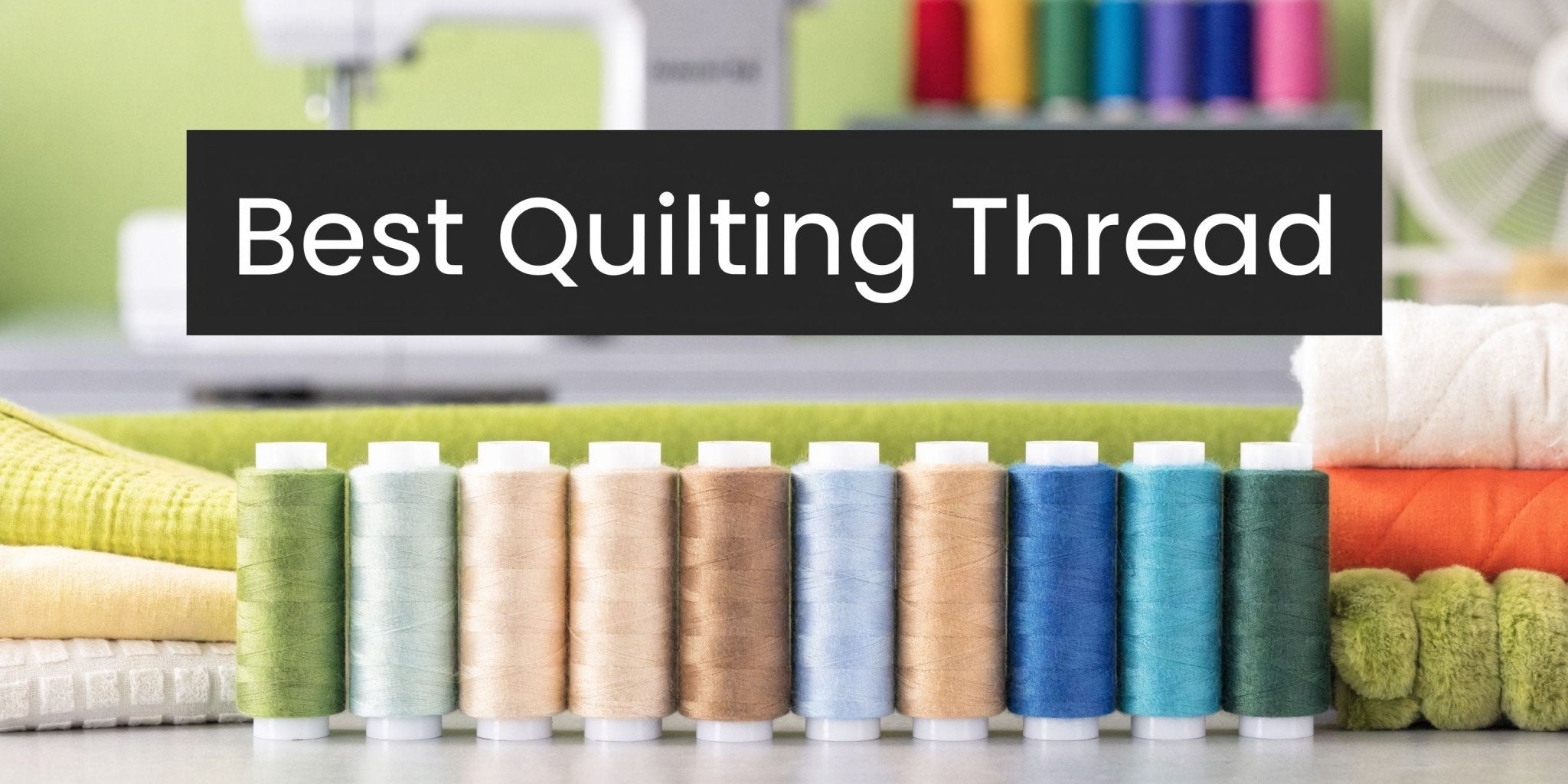
The best quilting thread for most projects is simple: use 50wt for piecing and 40wt for machine quilting, especially on minky. If you’re fighting bulky seams, popped stitches, or puckering on Shannon Cuddle or Luxe Cuddle, thread choice is usually part of the problem.
If you’ve ever stood in front of a wall of thread and wondered why one spool says 40wt, another says 50wt, and neither tells you what will perform well on a plush quilt back, you’re not alone. Quilters run into this constantly, and it gets harder once minky enters the mix.
The short version is that cotton still earns its place for piecing, but polyester often handles minky better. On large quilts with soft backs like Hide, Snowy Owl, or Fawn, that difference matters.
URL Slug: /blog/best-quilting-thread
Meta Description: Best quilting thread explained for piecing, minky, and longarm quilting. Learn what works, avoid puckering, and get 15% off your first order.
| Quilting Use | Best Starting Choice | Why It Works |
|---|---|---|
| Piecing quilt tops | 50wt cotton | Fine thread helps reduce seam bulk and supports accurate patchwork |
| Domestic machine quilting | 40wt or 50wt depending on look | 40wt shows more, 50wt blends more |
| Longarm quilting | 40wt polyester | Strong, visible enough, and reliable at speed |
| Minky-backed quilts | 40wt polyester | Better durability and smoother performance on plush synthetic fabric |
| Delicate texture-only quilting | Finer thread | Useful when you want the quilting to recede visually |
Practical rule: If the thread decision feels confusing, match the thread to the job first, not the brand first.
For extra help with project planning, quilt prep, and plush backing choices, browse practical categories like extra-wide minky backing options, Shannon Luxe Cuddle textures, and mail-in quilting support.
What Do Quilting Thread Numbers Mean?
Thread weight confuses a lot of quilters because the numbering runs opposite of what people expect. A higher weight number means a finer thread.
So 50wt is finer than 40wt. And 60wt is finer than 50wt.
Why 50wt is the default for piecing
For everyday quilt construction, 50wt thread is the most universally recommended and widely used quilting thread. It’s widely treated as the go-to standard for general sewing and piecing because it prevents seam bulk while still giving durable, flat results, as noted in this guide to 50wt quilt thread for piecing and quilting.
That matters more than many beginners realize. When you sew a lot of intersections, heavy thread can stack up fast.
A finer thread helps with:
- Flatter seams so points nest better
- Cleaner patchwork when blocks need precise matching
- Less bulk in corners, borders, and bindings
- A smoother base if the quilt will later go onto a longarm
If you want a quick visual guide to common thread sizes, this thread weight chart is worth bookmarking.
What the common quilting weights feel like
Here’s the practical version.
- 40wt is thicker and more visible. It’s often chosen when you want the quilting lines to show.
- 50wt is the everyday workhorse for piecing and subtle quilting.
- 60wt and finer are more specialty choices. Quilters often reach for them when they want very little bulk.
The number tells you how fine the thread is. The job tells you whether that fineness is helpful or not.
Where people go wrong
The most common mistake is assuming thicker thread is always stronger and therefore always better. It isn’t.
For piecing, thicker thread can crowd the seam allowance and make your patchwork less accurate. If you’re sewing cotton tops, joining blocks with many points, or building a quilt that needs to stay square, a fine thread usually gives you fewer headaches.
That’s why when people ask for the best quilting thread, the answer isn’t one universal spool for every task. It’s a short list tied to the stage of the project.
Use 50wt when you need precision. Move thicker only when the quilting job itself calls for more presence or more durability on a plush backing.
Should I Use Cotton or Polyester Thread?
A quilt can piece beautifully in cotton thread, then fight you the minute you add a minky backing and start quilting. I see that all the time on longarm jobs. The thread that behaved well on a flat cotton top is not always the thread that gives you clean stitches through a plush synthetic back.

Cotton and polyester both have a place. The better choice depends on the job.
When cotton makes sense
Cotton thread is still a solid choice for quilts made entirely from quilting cotton, especially if the goal is a traditional finish and crisp construction. It has a softer, more matte look, and many quilters like how it blends into the surface instead of reflecting light.
I still recommend cotton often for:
- Piecing cotton tops where accuracy and low bulk matter
- Traditional quilts that call for a softer, less shiny finish
- Projects that will stay all-cotton from top to backing
Cotton can be the right visual match. It can also be the right handling match. On piecing seams, that matters.
When polyester makes more sense
On minky, polyester solves problems cotton does not always handle as well.
Plush backings such as Shannon Cuddle and Luxe Cuddle stretch more, shift more, and create more drag under the machine than standard quilting cotton. That changes what I want from thread. I want strength, low lint, and stitches that hold up well after washing and use.
Polyester is usually the better pick when you need:
- More durability through a plush synthetic backing
- Cleaner machine performance with less lint buildup
- Better stitch security on quilts that will be loved hard and washed often
- A smoother quilting experience on thick, slippery, or stretchy layers
If you are still learning how plush backings behave, this guide to what cuddle minky fabric is and how it behaves will give you the fabric side of the equation.
What about blends?
Blended threads can work well, but I do not usually start there when someone is troubleshooting skipped stitches, thread breaks, or puckering on minky. A clear cotton-versus-poly choice is easier to test and easier to adjust.
That matters on customer quilts, especially large ones. If a king-size top already has weight and a minky back adds drag, simplifying your thread decision saves time.
Cotton is often the better construction thread. Polyester is often the better performance thread.
My practical take
If the quilt top is cotton and the backing is minky, you do not need one fiber to do every job. Use the thread that fits the stage.
Piece with cotton if you like the feel and control. Quilt with polyester if the backing is plush and the finished quilt needs durability. That combination works well in real projects, not just in theory.
At OPN, that is the approach I trust for many longarm quilts with minky backs. The goal is not matching thread fiber from start to finish. The goal is a quilt that feeds well, quilts cleanly, and still looks good after it has been used, washed, folded, and loved.
How Do I Choose Thread for Machine Piecing?
If your seams feel stiff, your points won’t line up, or your blocks keep growing and shrinking for no obvious reason, start with the thread. Piecing problems often look like cutting problems, but they aren’t always.
For machine piecing, a fine and dependable thread is usually the right answer. That’s why 50wt remains the safest recommendation for most quilt tops.

What a good piecing thread should do
The best piecing thread doesn’t need to look dramatic. It needs to disappear into the construction work.
Look for thread that helps you get:
- A true quarter-inch seam without excess buildup Fine thread leaves more room inside a tight seam allowance.
- Crisp intersections on blocks with multiple seams meeting in one spot, the thicker the thread, the more that seam stack fights you.
- A quilt top that lies flatter before quilting starts That becomes even more important if the backing will be plush.
Why minky changes the stakes later
Even if you aren’t piecing with minky itself, piecing choices affect how the finished quilt behaves once a plush backing is added. Thick construction seams plus a lofty back can create a quilt that feels bulky before quilting even begins.
That’s why precision up front matters. A cleanly pieced top is easier to baste, easier to quilt, and less likely to shift.
If you want a low-pressure project to practice handling plush fabric before committing to a full quilt, this tutorial on how to make a minky baby blanket is a smart starting point.
What doesn’t work well for piecing
These choices often create avoidable trouble:
- Very thick thread for standard patchwork
- Decorative thread used as construction thread
- Changing thread types constantly mid-project
- Using visibility as the main goal during piecing
Piece for stability first. Save showy thread decisions for quilting.
The piecing thread’s job is accuracy, not attention.
For approachable projects, curated Shannon Cuddle cuts and minky blanket kits are useful ways to test how thread and plush fabrics behave together without committing to a king-size quilt right away.
What is the Best Quilting Thread for Longarm Services?
A queen or king quilt with a minky backing can stitch beautifully for the first few rows, then start showing every weak setup choice fast. On a longarm, thread choice is one of the biggest ones. For the quilts we see at OPN, especially large quilts headed for Shannon Cuddle or Luxe Cuddle backs, 40wt thread is the safest all-purpose choice.

That recommendation comes from longarm behavior, not spool marketing. A longarm runs fast, builds heat, and puts repeated stress on the same thread path across a full quilt. Add dense quilting or a heavy backing, and finer thread can become harder to keep consistent.
A good 40wt gives you a useful middle ground. It is thick enough to hold up well in service quilting and visible enough to show the quilting pattern without looking heavy on most tops. It also behaves better across mixed jobs, which matters when you are quilting everything from crisp cotton patchwork to tops that will finish with plush backing.
Why 40wt is the standard pick
For professional longarm quilting, the best thread usually does three jobs well.
- Stitches reliably at longarm speed
- Handles larger, heavier quilts without feeling fragile
- Shows the quilting design with clean definition
That balance is why I reach for 40wt so often, it works across edge-to-edge patterns, holds up on everyday-use quilts, and gives customers a finish that reads clean from both near and far.
If you are sending a top out instead of quilting it yourself, our edge-to-edge longarm quilting service is built around that same practical standard.
Where finer thread fits, and where it does not
Finer thread still has a place. It can create a softer, quieter look, which some quilt tops need.
But on a longarm, there is a trade-off. The finer the thread, the less margin you usually have for bulky seams, high-speed stitching, and quilts with more drag or weight. That is where customers start running into breakage, touchy tension, or quilting that looks inconsistent across the surface.
I see this most often on larger quilts: a thread that behaves nicely on a small cotton wall hanging may not be the best choice for a bed quilt that needs to wash well, use well, and hold together through years of handling.
Here’s a closer look at longarm movement and stitch formation in action:
What matters most for service quilting
Customers usually ask for thread advice because they want the finished quilt to look good and last. They are not asking for the most delicate option on the rack. They want thread that can handle real quilts.
That means thread should:
- stay intact across the whole quilt
- keep stitch quality consistent
- support the quilting design without overpowering the top
- perform well on utility quilts, gift quilts, and heavily used bed quilts
For longarm services, 40wt is the best default answer because it solves more real problems than it creates. On minky-backed quilts, that matters even more.
Which Thread Works Best for Minky and Extra-Wide Backs?
A queen or king quilt with minky on the back can look easy on the cutting table and turn demanding the minute it goes on the machine. The backing has more drag. The quilt carries more weight. Thread that behaved fine on a smaller cotton project can start showing weak spots fast.
Why minky changes the thread decision
Minky is a different job than quilting cotton. It has loft, stretch, and a surface that shifts under the needle more than a woven backing does. On plush fabrics like Shannon Cuddle and Luxe Cuddle, I want thread that keeps stitch quality steady instead of asking the machine for perfect conditions.
That is why I usually recommend polyester quilting thread for minky-backed quilts, especially in a dependable 40wt range. It handles movement better, holds up well on larger quilts, and gives me fewer service issues than finer, fussier options.
The bigger and heavier the quilt gets, the less patient I am with thread that only works if everything is ideal.
Extra-wide backing changes the job too
Extra-wide backing removes the center seam, which is often the right call for minky. It also gives you more quilt to manage at once. More bulk under the machine means more stress on the stitch path, especially with dense quilting or plush textures that resist smooth travel.
If you are deciding between widths, this guide to extra-wide quilt backing helps explain when a single-width backing makes sense.
Which thread works best by minky situation
I do not choose thread for minky by brand loyalty. I choose it by how the quilt will be used, washed, and handled.
| Minky Situation | Best Thread Direction | Why |
|---|---|---|
| Cotton top with plush backing | Polyester for quilting | Handles mixed layers and daily use better |
| Deep plush backing | 40wt quilting thread | Gives a better balance of strength and visibility |
| High-pile texture | Smooth machine-quilting thread | Moves through the backing with less fuss |
| Baby quilt washed often | Low-lint polyester | Holds up well through repeat washing |
| Large extra-wide backing | Strong all-purpose quilting thread | Better suited to the added weight and drag |
Common failures on plush quilts
The wrong thread choice usually shows up in ways customers can see or feel:
- thread breaks during quilting
- stitch quality changes across the quilt
- puckering shows up around denser areas
- the quilting feels too light for a heavy-use quilt
- the backing looks less smooth after washing
I see these problems most often on oversized quilts with deep plush backs. The quilt is heavier, the backing has more give, and every weak point in the setup gets exposed.
Plush backing is forgiving on comfort. It is not forgiving on weak thread choices.
What I’d choose on popular minky textures
Smooth minky gives you a little more room to experiment. Once you move into deeper textures like Hide, Snowy Owl, or Fawn, I would choose reliability over subtlety every time. A smooth polyester quilting thread gives cleaner performance on those surfaces, tending to cause fewer headaches on the frame.
At OPN, that is the standard I use for customer quilts. If a thread is going to become the weak point on a large minky-backed quilt, it is not the right thread for the job.
The best quilting thread for minky is the one that handles loft, stretch, and quilt weight without compromising stitch quality.
How Do I Match Thread Color and Choose Needles?
You finish a quilt top you love, add a plush minky backing, and then get stuck on the last decision. Thread color looks simple until one choice makes every wobble show and another disappears more than you wanted. Needle choice decides whether that same thread runs cleanly or fights you the whole way.
Color is a visual decision. Needle choice is mechanical. Both matter more on minky-backed quilts, especially larger ones, because the fabric texture softens detail and the quilt weight puts more stress on your setup.
When should thread blend in
Blending is the safer choice when the quilt top already carries the design. I recommend it on busy patchwork, printed tops, and most quilts backed in Shannon Cuddle or Luxe Cuddle. On plush fabrics, a blending thread keeps the quilting from looking heavy or choppy across the nap.
Choose a blending color when:
- The patchwork is the focus
- You want texture more than visible stitch lines
- The backing is plush and you want a softer finish
- The minky texture is deep enough to break up the look of the stitching
Gray is often the most useful neutral on mixed-color quilts. Soft taupe, cream, and muted blue-gray also travel well across a lot of tops. If you cannot decide between two shades, go a little duller, bright thread calls attention to itself fast.
When should thread stand out
Contrast works best when the quilting design deserves attention. I use it more often on simpler tops, modern layouts, and quilts with open background space where the stitching is part of the look.
Use a more visible thread when:
- The quilt has negative space
- The quilting pattern is decorative
- You want stitch lines to frame the piecing
- The top has enough visual quiet to support contrast
If you are unsure, blend first. Quilters rarely regret a thread that blends in. They do regret one that pulls the eye to every turn and stop point.
Needle pairing matters more than brand loyalty
A lot of thread problems are needle problems. If the needle eye is too small, the thread drags and frays. If the point is wrong for the fabric stack, stitch quality gets inconsistent, especially once you hit seams, batting, and plush backing all at once.
A practical starting point:
- 50wt piecing thread usually runs well with a smaller patchwork or universal needle
- 40wt quilting thread often performs better with a topstitch needle, giving the thread more room
- Dense seams or heavier quilt sandwiches usually need a larger needle than quilters expect
- Minky-backed quilts benefit from a fresh needle before quilting starts, not halfway through trouble
On customer quilts at OPN, I would rather change a needle early than waste time fighting skipped stitches and rough tension later. That is especially true on large quilts with minky, where a worn needle shows up fast.
Don’t ignore what happens after washing
Washability matters on any quilt, but it matters even more when the backing and thread do not respond the same way. Cotton and polyester can behave differently after laundering, and that difference can show up as puckering or a slightly rougher surface on a plush-backed quilt. The practical takeaway is simple: if the backing is synthetic and stretchy, I usually want a quilting thread that stays stable with it.
That is one reason I prefer polyester quilting thread on many minky-backed quilts we run through longarm service; it is a practical match for the fabric type and for the way these quilts get used.
A thread that looks fine on the frame but pulls the quilt out of shape after washing was never the right choice.
If you are sending a quilt to OPN for quilting, good prep still helps more than any last-minute fix. Keep our quilt prep guidance nearby before you load, pack, or ship your project.
Our Recommended Threads for Every Project
A thread that behaves on a cotton wall quilt can turn into a headache on a king-size quilt with Shannon Cuddle on the back. That is the point of this guide. Match the thread to the job, especially if you want clean stitching on plush backings and fewer surprises once the quilt is washed and used.
OPN's Quick Thread Recommendation Guide
| Quilting Task | Recommended Thread Weight | Recommended Thread Type | Why We Recommend It |
|---|---|---|---|
| Piecing cotton quilt tops | 50wt | Cotton | Keeps seams flatter and patchwork more accurate |
| Piecing a project that will later get a minky back | 50wt | Cotton or a fine stable piecing thread | Builds a clean top without adding extra bulk before quilting |
| Domestic quilting where you want subtle stitches | 50wt | Cotton or polyester | Blends into the quilt more easily |
| Machine quilting where you want more visible stitch lines | 40wt | Polyester | Shows the design better and runs reliably |
| Longarm quilting on large quilts | 40wt | Polyester | Handles quilt weight, speed, and repeated use well |
| Quilting on plush minky backings | 40wt | Polyester | Works better with loft, stretch, and heavy cuddle fabrics |
| Dense decorative quilting | 40wt | Polyester | Holds up well under tighter stitching and extra thread buildup |
| Fine bobbin use | Finer than top thread | Matching compatible thread | Reduces bulk in the stitch path |
These are the combinations I come back to most often at OPN. They solve the problems quilters encounter, not just the ones that look tidy on paper.
If you only remember three rules
- Use 50wt for piecing.
- Use 40wt for quilting when you want strength and clearer stitch definition.
- Choose polyester first for minky-backed quilts.
That covers a lot of real projects.
A baby quilt with Luxe Cuddle on the back does not need the same thread choice as a traditional pieced top with a plain cotton backing. The first quilt needs thread that can handle loft, drag, and wash after wash without fighting the backing. The second gives you more flexibility. That trade-off matters, especially on larger quilts where small tension issues become obvious fast.
Good matches for common projects
If you are building a soft throw, baby quilt, or cuddle-heavy gift, the fabric size matters almost as much as the thread choice:
- Shannon Cuddle 2-yard cuts for smaller projects
- 3-yard cuddle cuts for larger wraps and blanket backs
- minky pillow kits with forms for lower-commitment practice
- ready-made minky blankets if you want the softness without sewing
If you already know your quilt is headed for a plush backing or an extra-wide minky back, I would keep the thread plan simple. Piece with a fine thread. Quilt with a dependable polyester. That approach avoids a lot of the drag, skipped stitches, and heavy-looking quilting lines that show up when the thread is too bulky or poorly matched to the fabric.
The best quilting thread is the one that fits the project, the backing, and how the quilt will be used. For many OPN customers, especially those working with minky and large quilts, that usually means 50wt for piecing and 40wt polyester for quilting.
Frequently Asked Questions About Quilting Thread
Can I use embroidery thread for quilting?
You can, but it isn’t my first recommendation for general quilt construction or all-purpose machine quilting. It’s better treated as a decorative choice than a default quilting choice.
How should I store thread so it lasts?
Keep thread away from heat, dust, and direct sunlight. A clean drawer, cabinet, or covered container works better than leaving spools exposed near a window or ironing station.
Does expensive thread really make a difference?
Sometimes yes. Better thread usually pays off in smoother stitching, less lint, and fewer tension problems. The difference is easiest to notice on machine quilting and plush-backed quilts.
Should the bobbin thread match the top thread?
Usually, matching or closely coordinating is the easiest path. It helps keep the finish looking intentional, especially if a little bobbin thread peeks through.
Is one thread best for everything?
No. That’s the main reason quilters get frustrated. The best quilting thread for piecing is often not the best one for longarm quilting on minky.
If you're ready to turn a finished top into a soft, durable quilt, On Pins & Needles Quilting Co. is the go-to source for premium Shannon Cuddle, single-piece extra-wide minky backs, and mail-in longarm quilting backed by hundreds of verified reviews. Stop fighting bulky seams and tricky plush backings. Shop 110-inch Cuddle, explore Luxe Cuddle textures like Hide, Snowy Owl, and Fawn, or Book Your Longarm Service Today.